How to Resume Strength Training Safely After 50
Build Strength and Confidence for the Months Ahead
Returning to weight training after a long break can feel like a big step, especially if you remember lifting more easily years ago. We want you to know that time away does not erase your ability to become stronger. The goal is not to repeat an old routine overnight. It is to build a safer, steadier habit that supports the life you want to live now.
At STRONG, we view weight training for adults over 50 as a practical tool for independence. Strength can help you carry groceries, rise from the floor, feel steadier on stairs, enjoy hobbies, and keep up with the people you love. The number on a dumbbell matters far less than what your body can do with confidence.
Autumn can be a helpful time to reset before holiday plans and changing schedules fill the calendar. Rather than waiting for a New Year’s resolution, we encourage you to start with a realistic routine that fits your current life. A few consistent sessions now can create a solid base for the months ahead.
Comparison is often the fastest way to make a return feel discouraging. Your body, goals, mobility, and daily needs may be different than they were years ago. That is not failure. It is simply your starting point today, and we can build from there.
Set a Smart Baseline Before Adding Weight
A good return to training starts with an honest look at how your body moves right now. Before adding resistance, we pay attention to movement comfort, balance, mobility, current activity level, old injuries, and any concerns you may have.
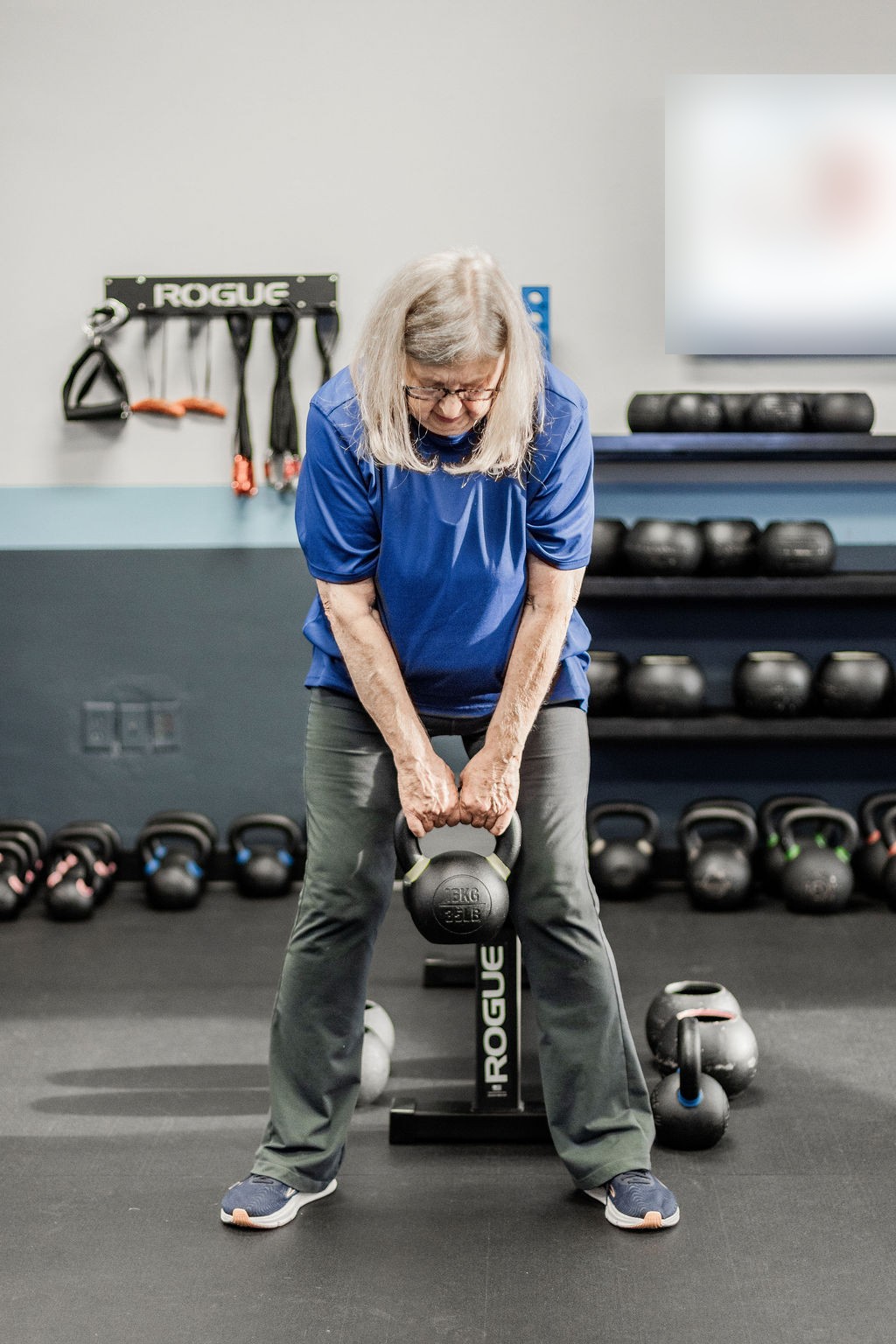
A coach can observe the basic movements that show up in daily life, including how you squat, hinge, push, pull, carry, and get up from the floor. This gives us a clearer picture of which exercises and variations feel appropriate for you.
Starting below your old training level is not “starting over.” Muscles, tendons, joints, and coordination all need time to readjust after a break. Lighter resistance, controlled repetitions, and a manageable weekly schedule can help you rebuild without creating unnecessary soreness or frustration.
Meaningful goals can guide the plan. You may want to:
- Feel more balanced while walking or using stairs
- Lift a grandchild or household item with greater comfort
- Return to golf, hiking, gardening, or other favorite activities
- Feel less worried about everyday movements
If you have new, unexplained, or concerning symptoms, we recommend speaking with a qualified healthcare professional before starting or returning to exercise.
Rebuild Movement Quality Before Chasing Load
Before we worry about heavier weights, we focus on movement patterns that support everyday life. A squat helps with sitting down and standing up. A hinge prepares you to lift an item from the floor. Pushing and pulling can support many household tasks, while carrying builds grip strength and confidence with groceries, luggage, and other objects.
Slow, controlled repetitions are especially helpful when you feel rusty. Moving with care gives you time to notice your posture, breathing, balance, and joint comfort. Instead of trying to rush through a workout, we help you find stable positions and practice good technique with a load you can manage.
Modifications are also a normal part of thoughtful training. They are not a sign that you are doing less or falling behind. A squat to a box, an elevated push-up, a supported split squat, or a lighter dumbbell can still build real strength.

As your confidence improves, we can adjust the exercise to meet you at the next level. The right variation lets you keep training while respecting temporary limits, past injuries, and your current ability.
Progress with Patience and Respect Recovery
Weight training for adults over 50 does not require constant heavy lifting. Progress can look different from week to week, and it often comes in small, useful changes. You might add a little weight, complete another repetition, move through a more comfortable range of motion, use better control, or need less support during an exercise.
We prefer adding one challenge at a time. This makes progress easier to understand and gives your body time to adapt. Trying to change everything at once can make recovery harder and leave you unsure about what worked.

Strength gains happen between workouts, not only during them. Rest days, good sleep, hydration, and regular nourishing meals all support your training. Some mild muscle soreness can be normal when you return to exercise, but sharp pain, swelling, instability, or symptoms that get worse should not be ignored.
A realistic schedule is usually more helpful than an ambitious plan that lasts only a week or two. Before the holiday rush arrives, consider setting aside time for two or three training appointments each week. Consistency creates a stronger foundation than occasional all-out effort.
Use Coaching and Community to Stay Consistent
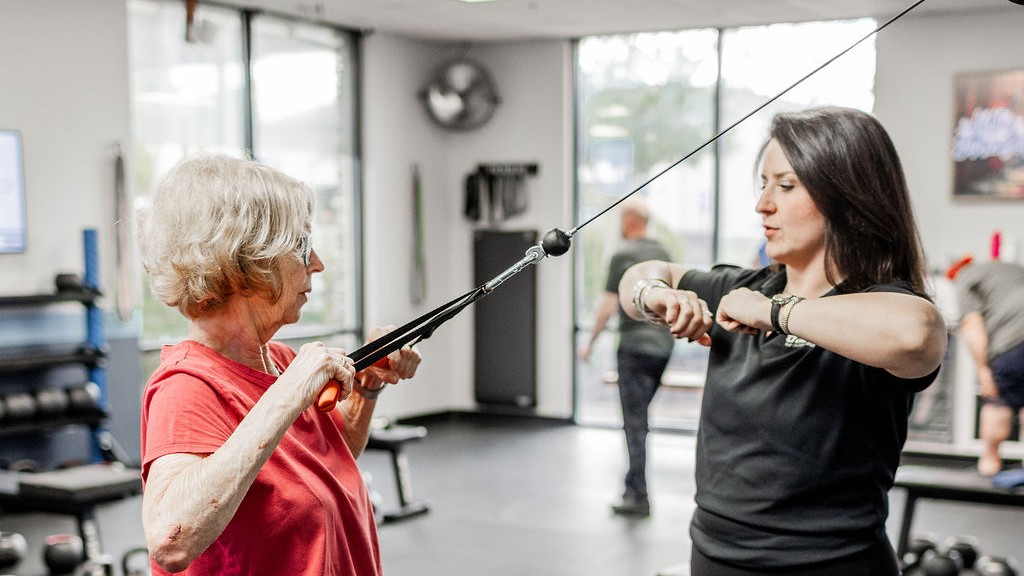
It is common to feel unsure about what to do after time away from the gym. You may not remember how to set up an exercise, how much weight to use, or how to adjust exercises for a past injury. Personalized coaching can remove much of that guesswork.
At STRONG, we guide each session with your needs in mind. We can help you learn proper setup, monitor your technique, choose appropriate exercise variations, and make sensible changes as you become stronger. That direction can be especially reassuring when old routines no longer fit your body or goals.
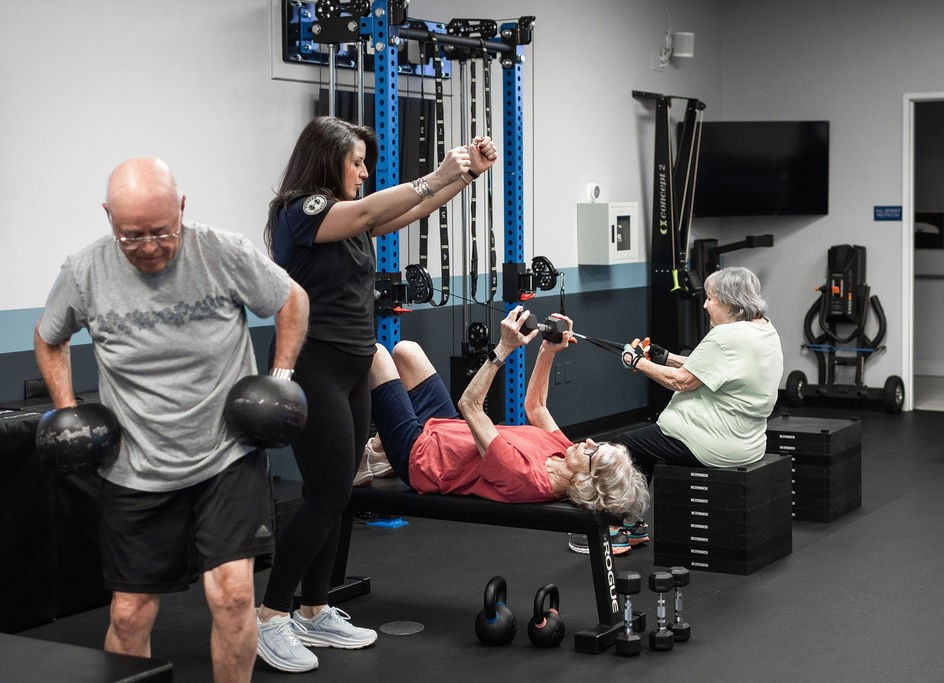
Training alongside people who are working toward similar goals can help, too. A welcoming environment makes it easier to show up, ask questions, and keep moving forward. For adults in Folsom and Shingle Springs, community connection can turn exercise from another task on the list into a regular part of the week.
Small wins deserve attention. Better balance, easier movement, greater confidence, and a steady training habit all matter. Strength is not a short challenge with a finish line. It is a long-term practice that can support your independence and the activities that make life enjoyable.
Start Your Stronger Next Chapter This Fall
A long break does not disqualify you from becoming stronger. Start with an honest baseline, use movements that fit your current ability, and give yourself permission to progress at a pace that feels sustainable. The best routine is one you can repeat with confidence.
Choose one practical step, such as committing to a realistic weekly training time or beginning with a guided assessment. With patient progress, recovery, and consistent effort, you can rebuild strength and stability for the daily moments that matter most.
Build Strength With A Plan That Fits You
At STRONG, we help you return to training with structure, coaching, and progressions that respect where you are today. Book a free strategy call and we’ll help you find the right starting point to build confidence, improve movement, and train consistently. We’ll help you focus on smart, sustainable strength for the life you want to keep enjoying.