Why Connection Makes Healthy Habits Stick After 50
Short answer: It’s easier to keep showing up when you feel supported, expected, and comfortable with the people around you.
Knowing what to do is one part of building a healthy habit. Having people who help you follow through is another.
You can have your workouts scheduled, your shoes by the door, and every intention of going. Then you have a rough night, a busy morning, or one of those days when you just don’t feel like it.
Sometimes, what gets you through the door is knowing someone will be glad to see you.
I’m John Thomas, owner of STRONG in Folsom and Shingle Springs, CA. After 15 years of personal training, one thing I’ve seen repeatedly is how much relationships matter. Members build trust with their trainer, find people they enjoy working out with, and make fitness a familiar part of their week.
Here’s why connection matters, what it can look like, and how to build it even if you’re not the most outgoing person in the room.
Why Does Having Someone to Work Out With Help?
Think about the difference between telling yourself, “I should go for a walk,” and telling a friend, “I’ll meet you at nine.”
The second one gives you a time, a plan, and someone to look forward to seeing.
That’s what connection can bring to a healthy routine. Your workout becomes an appointment with people you enjoy. A walk becomes time to catch up. Showing up gives you something immediately rewarding, even while your physical progress takes time.
At STRONG, I’ve watched members become more comfortable once they find familiar faces in their group. They know who they’ll talk to, who will make them laugh, and who understands what they’re working toward.
The workout still takes effort. Having people beside you can make that effort feel more manageable.
The Three Forms of Connection We See at STRONG
Connection doesn’t have to mean having a big social circle. We see it help our members in three main ways.
1. Support From Your Spouse or Family
Having someone at home who supports your health goals can make a difference.
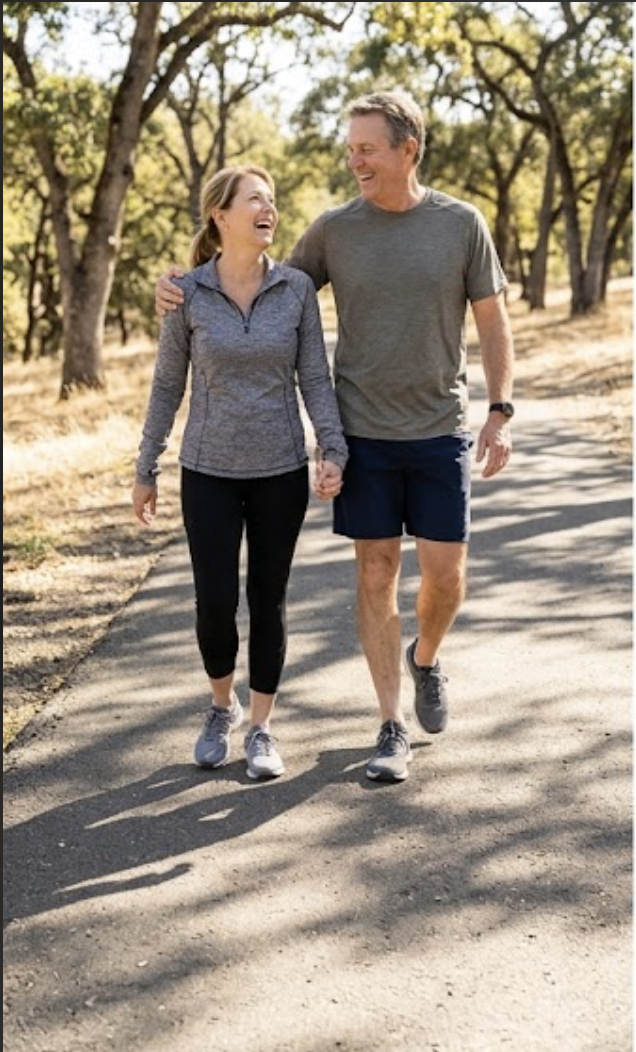
That might mean working out with your spouse, walking together after dinner, or protecting each other’s workout time when life gets busy.
You don’t need identical goals or abilities. One person might enjoy strength training while the other prefers walking - though weight training is WAY better 😆 . You can still encourage each other and make room for both.
A useful question to ask is: “What’s one healthy thing we could do together this week?”
Start with something you both want to do. It’s easier to repeat a shared activity when neither person feels dragged into it.
For my wife and I, we try to take a walk with our 9-month old every Wednesday at the minimum.
2. A Relationship With Your Trainer
Walking into a workout feels different when the person coaching you knows you.
They understand your goals, listen when something feels different, and help you find an appropriate challenge for that day. You can ask questions without feeling embarrassed or explain that you’re having a tough week.
That relationship matters because consistency includes good days and difficult ones.
You don’t have to arrive feeling your best every time. It helps to know someone is in your corner and can work with you where you are.
3. Friendships With Your Workout Group
There’s something comforting about walking into a room and hearing someone say your name.
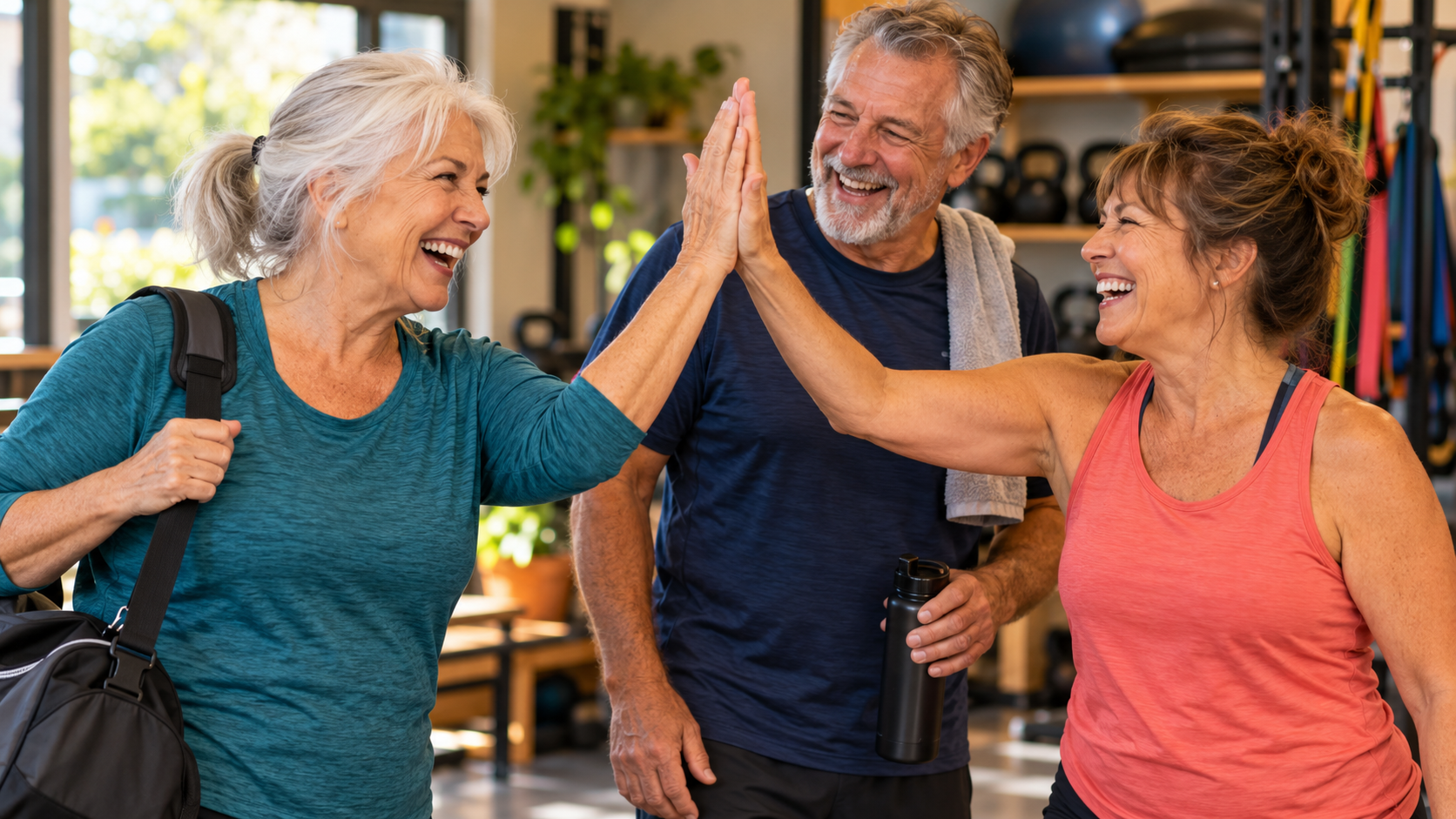
Over time, familiar faces can become people you look forward to seeing. You learn about their hobbies, their families, and what they’re doing over the weekend.
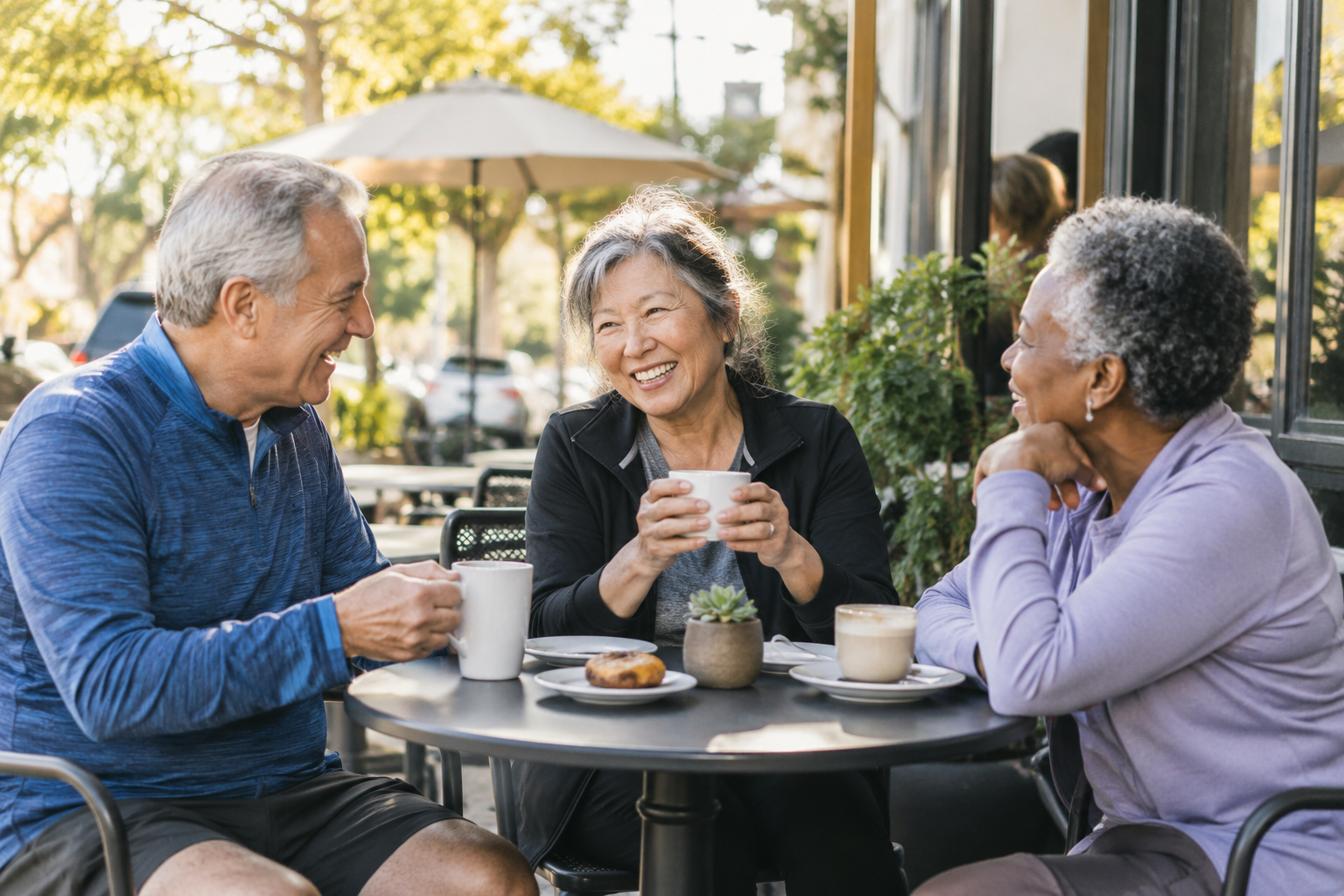
At STRONG, we’ve seen those connections turn into coffee after workouts, dog walks, and craft nights, including one just a few weeks ago.
Those friendships give members another reason to return. They’re coming to train, and they’re also coming to spend time with people they enjoy.
How STRONG Helps You Find Your People
One of the things we do well at STRONG is get to know our members and help them get to know each other.
As we learn about you, we often notice connections you might have with someone else. Maybe you’re at a similar stage of life, enjoy the same hobbies, have compatible personalities, or train at a similar level. Those shared experiences give a conversation somewhere to start.
It might be introducing two members who both love pickleball, connecting people navigating retirement, or helping you find a workout group where you feel comfortable and appropriately challenged.
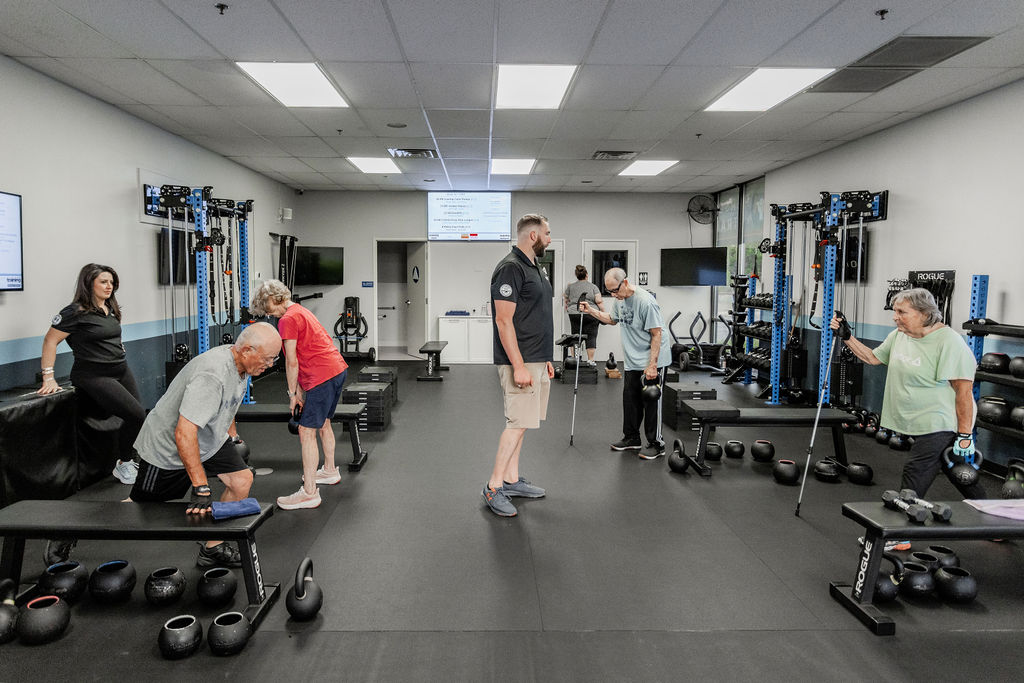
You don’t have to be exactly alike to become friends. But having something in common can make that first conversation easier. Over time, those introductions can grow into workout friendships, coffee plans, and connections that reach beyond the gym.
That’s part of what we want to offer at STRONG: a place where you can build strength, feel understood, and find people you enjoy sharing the experience with.
What If I’m Quiet or Don’t Know Anyone?
You don’t need to become the most outgoing person in the gym.
Start small. Learn one person’s name. Say hello when you see them again. Ask how their weekend went or how long they’ve been training.
Attending at a regular time can also help. Seeing the same people gives relationships a chance to develop without needing to force a conversation every visit.
If you’re unsure how to get involved, tell your trainer. We can help make introductions based on what we know about you and the people around you.
A connection can begin with a short conversation. You don’t need to leave your first workout with a new best friend.
What If Everyone Already Has Their Own Group?
Joining an established group can feel awkward. People may already have their usual conversations, inside jokes, or coffee plans.
If you’re new, that doesn’t necessarily mean they don’t want you included. Sometimes people get comfortable and simply don’t notice who’s standing outside the conversation.
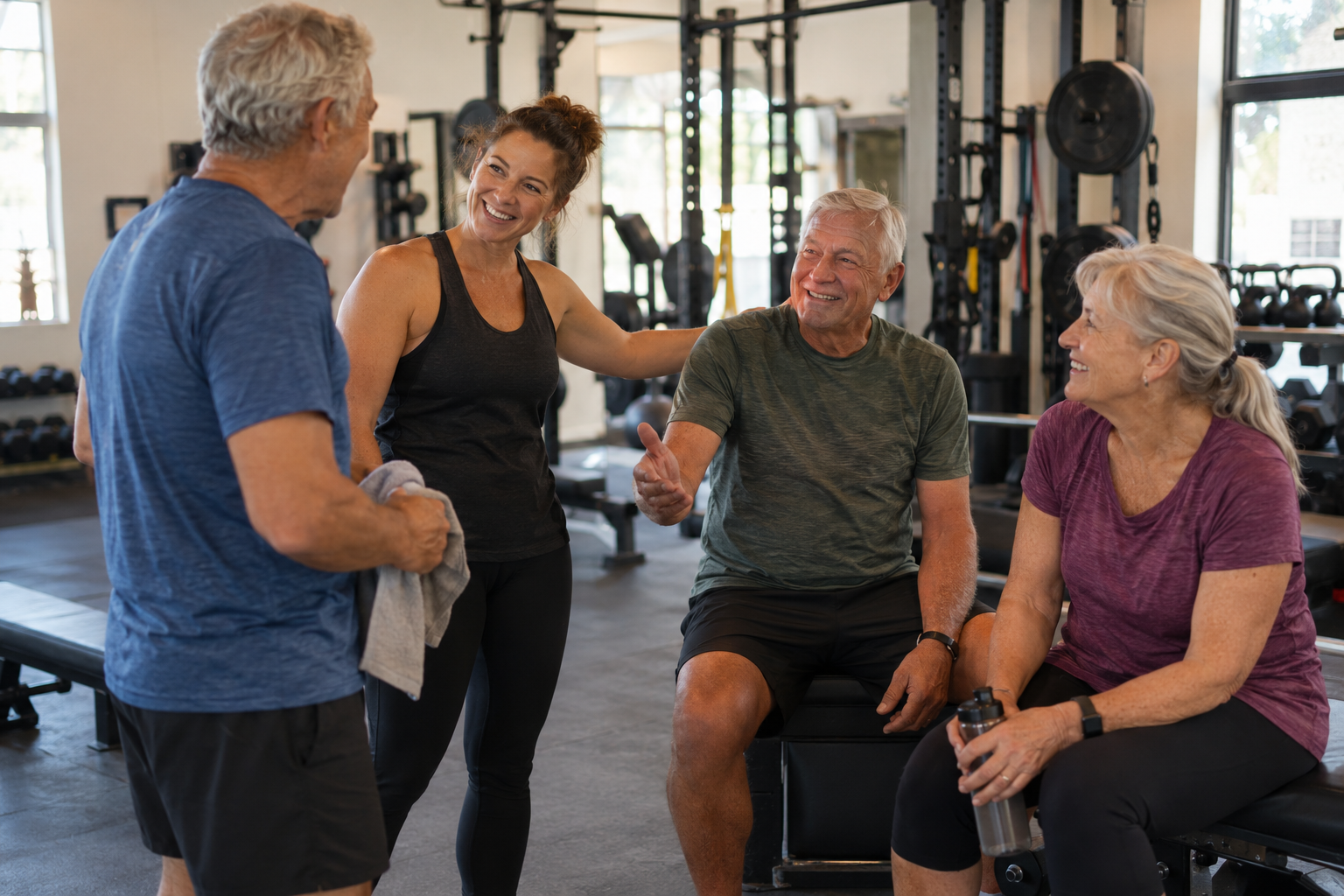
And if you already have a workout circle, this is your opportunity to help.
Notice someone who hasn’t found their people yet? Introduce yourself. Bring them into the conversation. If you’re going for coffee, ask whether they’d like to join.
Leave room for them to say no, and keep being welcoming. Some people take longer to feel comfortable.
A small invitation can make a room feel much more approachable.
Does Accountability Have to Feel Like Pressure?
It shouldn’t.
Helpful accountability can be as simple as, “Want to walk together tomorrow?” or, “We missed you this week. How are you doing?”
It gives someone support and an opening to reconnect.
People miss workouts for all kinds of reasons. Illness, travel, caregiving, work, and family responsibilities can interrupt a routine. Making someone feel guilty rarely makes returning more comfortable.
At STRONG, we want members to feel welcome when they come back. The relationship should help them take their next step.
Can Connection Help Outside the Gym Too?
Absolutely. The gym can be the place where you meet, but the relationship doesn’t have to stay there.
A friend from training might become your walking partner. Someone who shares your hobbies might invite you to a craft night. Coffee after class might become the part of the morning you look forward to most.
That’s especially meaningful when routines change. Retirement, a move, or changes in family responsibilities can mean fewer regular opportunities to see people.
A recurring activity gives you a place to go and people to get to know. For some of our members, training provides that regular point of connection.
How Do I Start Building More Connection?
Choose one small action this week.
Say hello to someone you usually walk past. Ask a member about a hobby they mentioned. Invite someone for coffee after your workout. Plan a walk with your spouse or call a friend you haven’t seen in a while.
If you’re already part of a group, look for someone you could include.
Keep the invitation simple: “A few of us are grabbing coffee after class. Would you like to come?”
You don’t have to organize a big event to help someone feel welcome.
Why We Put Relationships First at STRONG
We want you to build strength that supports the life you enjoy. We also want training to be a part of your week you feel comfortable returning to.
That means getting to know you, helping you connect with others, and creating room for people with different abilities and starting points.
If you’re looking for strength training for adults 50+ in Folsom or Shingle Springs, we’d love to help you find a routine and a group that fit you.
Your first connection might be with your trainer. Your next one might be with the person working out beside you.
Frequently Asked Questions
Do I need a workout partner to stay consistent?
No. Plenty of people enjoy training independently. A workout partner is one option for support, alongside a trainer, family member, or familiar group.
What if my spouse doesn’t want to exercise with me?
You can ask for support without asking them to share your workout. They might help protect your training time or join you for an activity you both enjoy.
Will a group workout suit me if I’m an introvert?
It can. You can participate at your own pace socially, too. Familiar faces and brief conversations may be all the connection you want.
Do I need to keep up with everyone else to fit in?
No. You should have a challenge that fits your abilities and goals. Your trainer can help you find adjustments so you can participate alongside others without feeling you need to match their weights, pace, or experience.
How do I invite someone without making it awkward?
Offer something specific and casual, such as coffee after class or a short walk. Give them room to decline, and stay friendly either way.
What if I’ve been away from the gym for a while?
Reach out to your trainer and schedule your next visit. You don’t need to make up for every missed workout before returning. Let us help you get back into a routine.